Open a pastry shop: the guide to start and the valuable advice for those who try in the company
Open a bakery is the dream in the drawer of many Italians who, perhaps from the early age, try to prepare sweet recipes. The Belpaese is done so, every province, every city, every village has its traditional recipes for cakes, cookies and pastries.
And so also children dream of become pastries, wrapped in perfumes and aromas emanating from those magical places that sell sweets.
How the dream of becoming a pastry is born
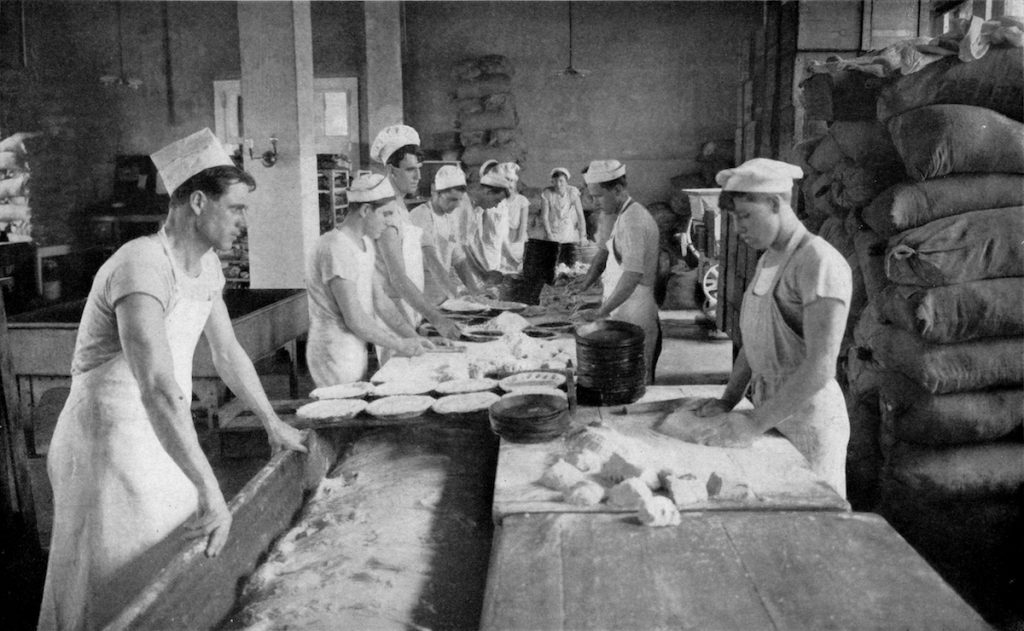
Even those who write to you have known a moment of mad love for This is the jobAs a child, in the morning, I was expecting my parents – who managed a bar, the arrival of the pastry chef. The sweet scentAnd then as a gift from Santa I was taking me to the house. Sweet, a small baker kit with a small working oven – with the only small problem that took ten hours to cook simple biscuits.
Today children spend hours together with parents to see on TV cooking programs and are themselves protagonists of programs from planetary success as Junior Masterchef.
What to know before opening a pastry shop
We immediately break the field by some unclear voices that circulate about certifications and the practices that they are used to start the activity of pastry. It is clear that those who want to open a pastry shop must necessarily have aexperience in advance The advice of mother and grandmother is not enough, the hundreds of cakes cooked and decorated for children and grandchildren, the Christmas cookies to give to friends and relatives. profession, understand what the potential and margins of gain are, but at the same time be aware of the criticalities and the ways in which to organize the work.
Training and professional requirements: what to verify
There is no single national certificate that automatically covers every pastry business. Requirements depend on the activity, retail or food-service model and regional rules. Food-safety training and any professional requirement must be checked with the competent Region, SUAP and local health authority.
Professional pastry training can build skills, but it does not replace the administrative, health and workplace-safety duties applicable to the specific business.
What skills do you have to have to become a professional pastry chef?
Generally in the above coursesaspirant pastry has a basic flourishing for the preparation of desserts of Italian and international tradition. technical for the Customize the flavors of individual recipes, developing an in-depth knowledge of Article. They contribute to this phase of the formation forms linked to the history of pastry, to the respect of the organoleptic qualities of food, to taste and the different senses involved. Of course, there is never a question of hygiene and hygiene. Food safety, beyond the final working perspective of individual participants. The professions related to the world of pastry different: from traditional work in the laboratory, to the activity in the furnaces, to the professionalism required to banquette or to thecatering staff.
Finally, the most expensive courses, are able to offer modules related to the merceology and food technology, information related to regulatory aspects, personal branding in the digital age, fundrising through regional and European bands, as well as specific skills for building the business plan and for the next stages of marketing.
Opening a pastry shop in Italy: 2026 administrative route

For a sole proprietorship, the Single Business Communication coordinates the Companies Register, VAT number, INPS, INAIL and, where applicable, the SCIA for the SUAP. Since 12 February 2026, the former ComUnica tool has been replaced by the integrated DIRE function or authorised market solutions.
- Define the activity, legal form and activity code with qualified advisers.
- Check permitted use, building rules, systems, workplace safety and fire-prevention duties where applicable.
- Consult the relevant SUAP for SCIA, health notification and required documents.
- Prepare food-safety controls, hygiene procedures, allergen information and training under the applicable rules.
Costs, times and permissions vary by municipality, region, premises and sales model; avoid unverified universal checklists.