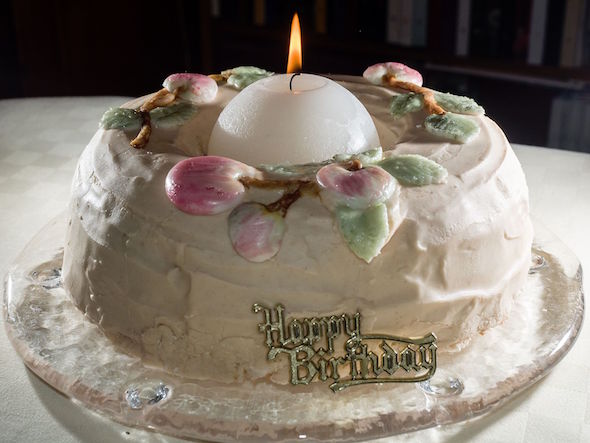
Sugar paste, also called fondant, is a pliable icing used to cover cakes and make decorations. This guide answers eight practical questions about uses, appearance, ingredients, colouring, tools and storage. Product-pack instructions always take priority.
Where to buy sugar paste
Our shop category lets you compare fondant and sugar paste for covering or modelling. Pack sizes, colours, ingredients, allergens and availability vary, so check the current product page before buying or using an item.
What sugar paste is used for
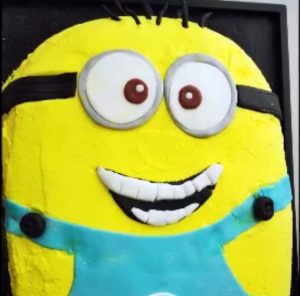
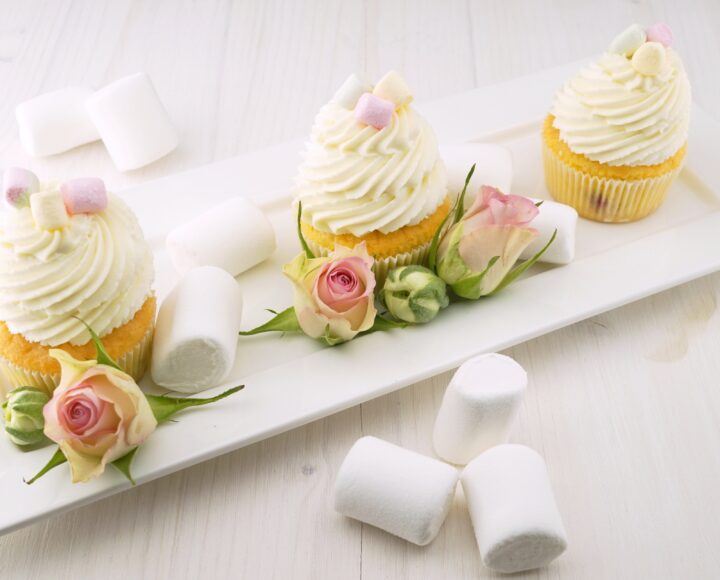
It is commonly used to cover cakes, cupcakes and biscuits or to model flowers, letters and small figures. Beginners can start with a simple project, work in small portions and choose a product designed for the intended job: covering paste and modelling paste may differ in firmness and drying time.
.jpg)
01) Where does sugar-paste decoration come from?
Decorative sugar work has a long history. During the twentieth century, modern cake design developed increasingly specialised tools, techniques and styles. Today it includes both smooth cake covering and three-dimensional modelling.
02) What should sugar paste look and feel like?
Uncoloured paste is often white and should be even and workable, but shade, elasticity and firmness depend on the formula and temperature. Check the seal, best-before information and manufacturer’s instructions before use.
03) What is sugar paste made from?
There is no single formula. Sugars, water or syrups, fats, humectants and thickeners may vary; some recipes or products may contain gelatine, glycerine or other ingredients. Only the current label confirms allergens, vegetarian or vegan suitability and directions for use.
_pic.a04.JPG)
04) How do you colour sugar paste?
You can buy ready-coloured paste or work a suitable food colour into white paste. Add it gradually, knead until the colour is even, and follow the colour manufacturer’s stated use and dosage.
05) How do you keep it soft and easy to model?
Work with small amounts and protect the unused portion from air. If the paste is too firm, follow the product instructions only: glycerine, fats and other softeners are not interchangeable, and an unplanned addition can change texture, flavour and drying.
06) Which tools are useful?
A smooth rolling pin, mat, smoother, cutters, moulds and small modelling tools cover the basics. Anything that touches the cake should be clean and explicitly suitable for food contact.
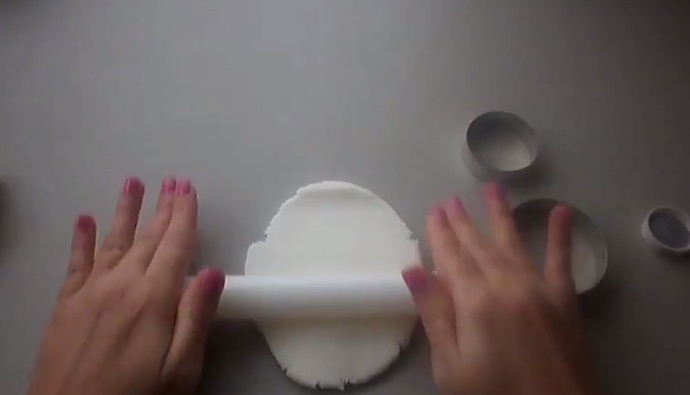
Smoothers
A smoother helps the covering adhere and creates an even finish after it has been placed on the cake. Flat tools work across the surface, while corner smoothers help define edges.
Moulds, cutters and textures
Cutters and moulds cut or imprint shapes. Plunger cutters help release small pieces, while silicone moulds can form details and relief patterns. Check material, size and food-contact suitability before use.
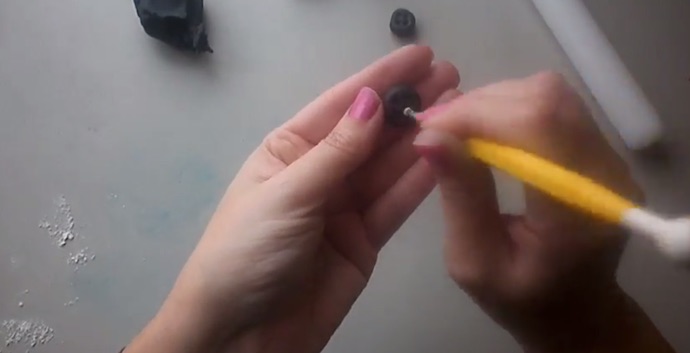
07) Which tools help with modelling?
Tools with different tips can mark, round, thin and refine the paste. Rollers, tweezers, small scissors and food-only brushes may also help. Choose edible glue or another fixing method according to the decoration and the product directions.
08) How should leftover sugar paste be stored?
Protect it from air straight away with food-safe film and a tightly closed container or bag. Storage place, temperature and duration depend on the product: follow the label, discard paste with an unusual smell, colour or texture, and remember that a filled cake may require different storage.