
To whip egg whites to stiff peaks means incorporating air until they form a firm foam.
Egg whites are separated from the yolks. Whipping them adds lightness to mixtures; they are also a basic ingredient in meringues. This guide explains the electric-whisk method and how to recognise the texture.

Before whipping egg whites
Use fresh eggs and room-temperature whites. Cold whites also whip, but more slowly. Separate the whites carefully: no traces of yolk should remain. Keep the bowl and beaters clean and free of grease.
How to whip egg whites with an electric whisk
Place the whites in a tall container, preferably steel, and add a pinch of salt.
Start the electric whisk at low speed, then gradually increase to maximum speed, following your model’s instructions. Continue until the whites become thick, checking the foam as you work.
How to recognise stiff peaks
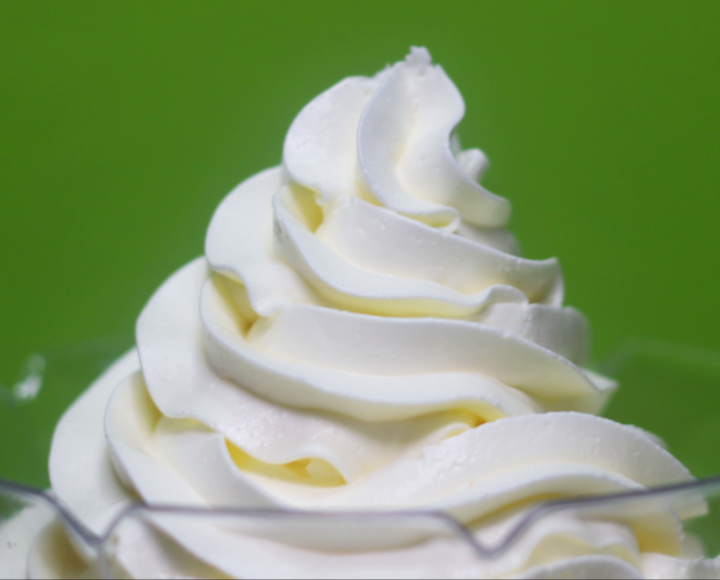
The test described in the article is to tilt the container gently: the whipped mixture stays in place. For another check, switch off the mixer and lift the beaters: the peaks keep their shape without drooping. Dry, clumpy whites have been overbeaten.
Can you whip egg whites by hand?
A hand whisk also works, with more effort. Look for the same texture. KitchenAid explains the different egg-white peaks.
How to fold whipped egg whites into a mixture
Use a wooden spoon to combine the whites with another mixture gently, working from the bottom upwards so they do not collapse. Then follow the recipe for the preparation you are making.
Why are the egg whites not whipping?
First check for yolk or grease on the bowl and beaters. Beating yolks or whipping cream is a different process: this guide is about egg whites.
Whipping does not pasteurise eggs. For uncooked desserts, choose pasteurised whites suitable for whipping and follow the label. American Egg Board guidance on using eggs.