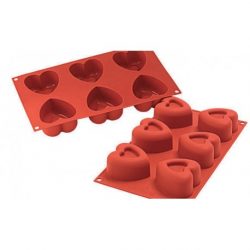
Do silicone molds need to be buttered?
There is no rule that applies to all models. Many food-grade silicone molds are non-stick and do not require grease with each use; some manufacturers instead recommend greasing the product during the first uses or with particular mixtures. The correct answer is therefore to always check the mold instructions.
In this guide we see how to choose, use, wash and store silicone molds without applying universal temperatures or procedures.
How to choose a silicone mold
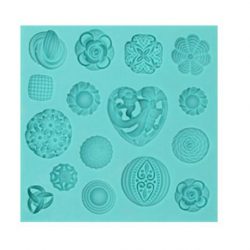
Check that the mold is intended for contact with food and that it lists the manufacturer, instructions for use and temperature limits. Flexibility makes demoulding easier, but can make transporting a liquid dough less stable: when needed, place the mold on a rigid baking tray before filling it.
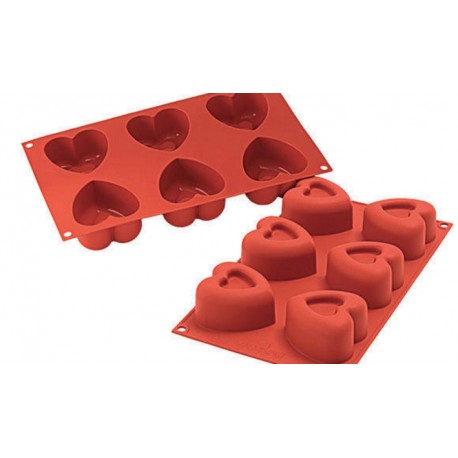
There are numerous shapes and sizes: there are molds for cakes, single portions, chocolates and small decorations. Choose the model based on the preparation and manufacturer’s instructions, not just the shape.
Do silicone molds need to be buttered?
If the manufacturer declares the mold to be non-stick, in many cases it is not necessary to grease it after each use. Some models may require a light layer of grease in the first uses; doughs that are very low in fat or high in sugar may also behave differently. So avoid an absolute answer and follow both the recipe and the specific instructions for the mold.
First use and safety
Before first use, wash the mold as indicated by the manufacturer and rinse it carefully. Do not carry out vacuum cooking or other treatments not foreseen in the instructions. For safety, the declared material alone is not enough: suitability for food contact, manufacturing quality, traceability and compliance with the conditions of use count.
Do not put the silicone in contact with direct flames or resistances and do not exceed the limits indicated on the label. Compatibility with oven, microwave, freezer and dishwasher must be verified for the individual product.
Use, demoulding and maintenance
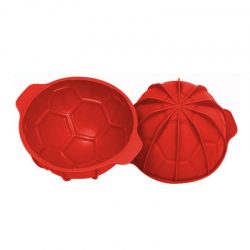
- Place the flexible mold on a rigid baking tray before pouring in the liquid mixture.
- Respect the temperature, compatible appliances and times indicated by the manufacturer and the recipe.
- Let the preparation settle or cool as required before turning it out.
- Flex the mold gently without using knives, tips or abrasive sponges.
- Wash and dry the product completely before storing it, following the specific instructions.
When to replace and how to dispose of the mold
Replace the mold if it has cuts, tears, deformations or other damage that impairs its use. For disposal, do not automatically include it in the plastic collection: the rules may change from municipality to municipality, so consult the instructions of the local waste manager.
Where to find silicone molds
You can consult the sections dedicated to
silicone molds
, garlic
cake molds
and to
molds for sugar paste
, always checking the data sheet of the chosen model.