How can you replace sugar in baking? There is no ratio that works for every recipe. Sugar does more than sweeten: it may affect volume, texture, moisture, colour and freezing behaviour. The choice depends on the preparation and the exact product.
Why substitution is not always 1:1
Experimental cake studies show that different replacers affect batter, volume and texture differently. Using the same weight of different ingredients therefore does not guarantee the same result. Start with a recipe already tested for the chosen replacer or follow the exact product label.
- Identify sugar’s function in the recipe.
- Check the exact product ingredients, concentration and dosage.
- Change one variable at a time.
- Record volume, texture, moisture, colour, flavour and storage behaviour.
Brown sugar, honey, syrups and molasses
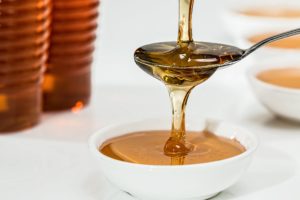
Brown and white sugar are both sugars. Honey, maple syrup, agave syrup and molasses also provide sugars and can change water, flavour and colour. The WHO includes sugars naturally present in honey and syrups among free sugars, so they are not automatically “healthier” substitutes. Do not use one fixed percentage for every bake.
Fructose and malt products
Fructose is a sugar; its perceived sweetness and behaviour vary with concentration, temperature and recipe. Malt products also differ in composition. Cakes, biscuits, creams, ice cream and drinks need specific formulations: no universal increase or reduction replaces a controlled test.
Stevia and other intense sweeteners
“Stevia” may mean purified steviol glycosides or tabletop blends with different carriers and concentrations. EFSA treats sweeteners as distinct additives assessed by substance and conditions of use. Read the product name, ingredients and manufacturer dosage; do not apply a generic multiplier.
Sugar replacement and health
Reducing free sugars belongs in the context of the whole diet. It is inaccurate to attribute obesity, high blood glucose or diabetes to one ingredient, or to call honey, fructose or stevia automatically suitable for diabetes. NIDDK guidance emphasises carbohydrates, portions and an individual plan agreed with the healthcare team. Nutrition and health claims must also comply with EU Regulation (EC) No 1924/2006.